 35
35

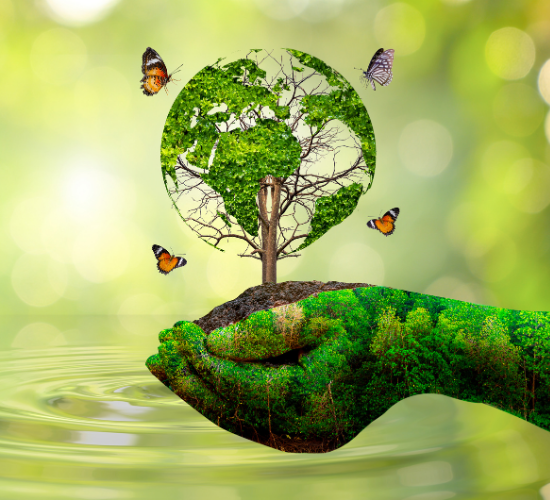
When you explore Our Environment, Chapter “Environment”, NCERT, you begin to notice how everything around you is part of your environment. You see how land, water, air, plants, animals, people, and buildings together shape the place where you live. You reflect on how your playground, roads, homes, and natural spaces are all connected. This learning helps you understand that your surroundings support your daily life.
As you read closely, you strengthen your reading and vocabulary by learning words like lithosphere, hydrosphere, atmosphere, biosphere, and ecosystem. You observe how land, water, air, and living things work together to support life. You connect these ideas to simple examples like a pond where plants, animals, water, and air depend on each other. This practice builds clarity in geography learning. Your confidence grows as you connect terms with real examples.
When you examine how humans change the environment, you build problem-solving and cognitive skills. You think about how building roads, factories, and homes modifies natural spaces. You evaluate how growing needs can sometimes damage forests, water, and air. You begin to form balanced views about using resources carefully. This helps you understand why protecting nature is important.
 10
10 36
36 40
40 1
1 20
20 40
40 20
20 46
46 20
20 40
40


 G7
G7 Social Science
 Environment
 Thinking Skills
 Observation Skill
 Memory Skill