Expressive Language: Personification & Alliteration


Have you ever read a sentence that made objects seem alive or sounded fun just because of repeating sounds? That’s the magic of expressive language. In this worksheet, you explore two powerful language tools—personification and alliteration. Each activity helps you notice how writers make words more interesting and meaningful. As you learn, reading becomes more exciting and writing becomes more creative.
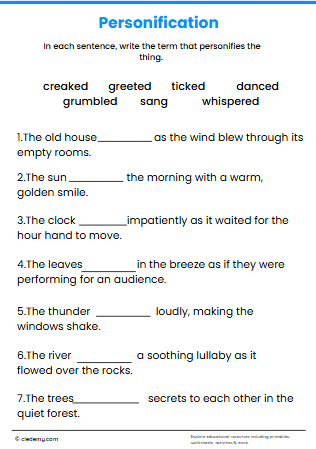
Your journey begins with personification, a figure of speech that gives human qualities to non-living things. You learn how writers make the wind whisper, the sun smile, or the alarm clock scream. Activities guide you to spot personification in sentences and understand what feeling or idea it creates. You begin to see how this technique helps readers imagine scenes more clearly. This builds strong comprehension and interpretation skills.
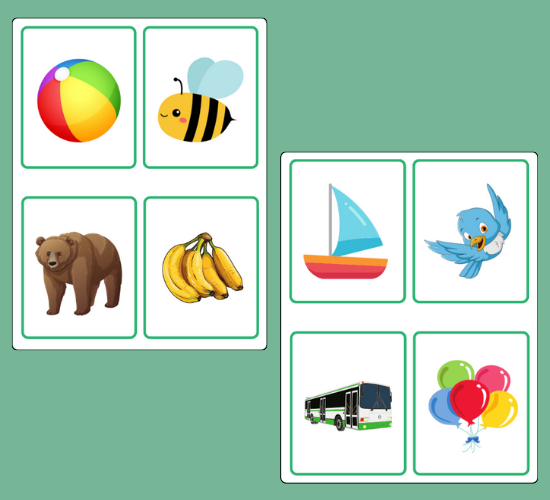
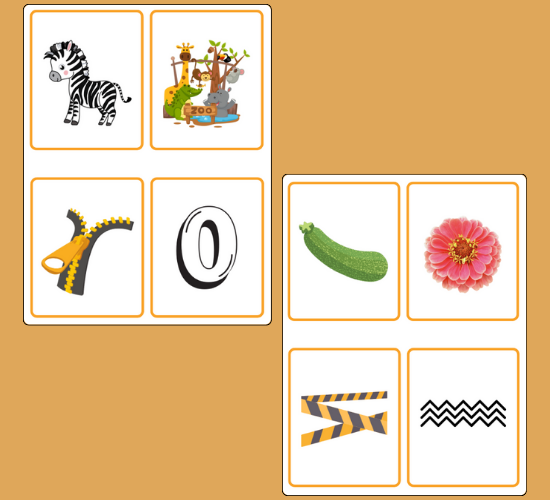
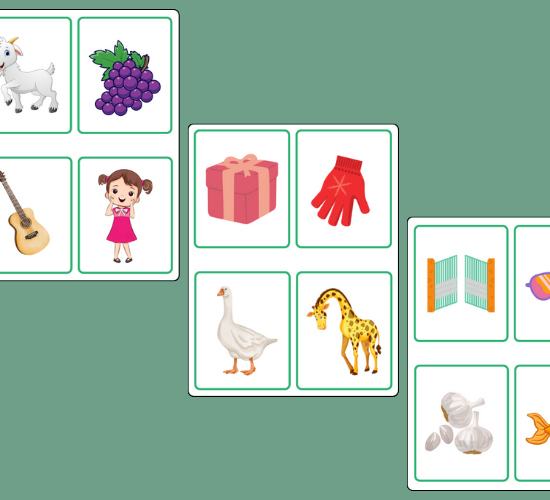
Next, you explore alliteration, which uses the repetition of beginning sounds in words. Phrases like “slippery snake” or “busy buzzing bees” create rhythm and fun in language. Through examples, you learn how alliteration makes sentences memorable and engaging. Activities help you identify repeated sounds and create your own examples. This strengthens your awareness of sound patterns in language.


 G8
G8 English
 Language
 Act
Act Thinking Skills
 Educational Skills
 Reading Skill
 Critical Thinking
 Creative Thinking