 32
32

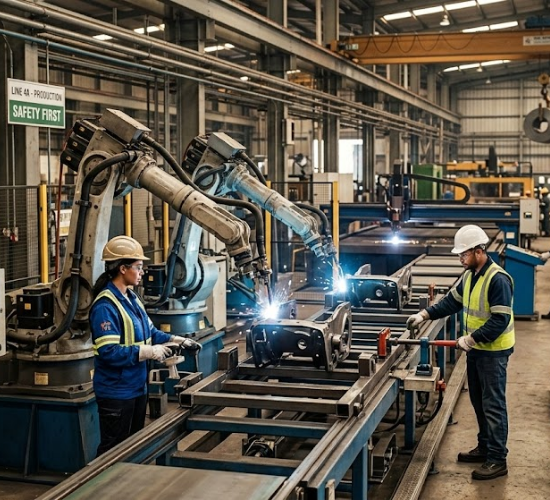
Have you ever wondered how raw materials such as cotton, iron, or timber are transformed into useful products like clothes, machines, or furniture? In Fundamentals of Human Geography – Class XII, the chapter “Secondary Activities” from the NCERT curriculum helps you understand how industries convert natural resources into valuable finished goods. Through this quiz, you explore how manufacturing plays an important role in economic development and everyday life.
As you study this chapter, you learn that secondary activities involve processing and manufacturing, where raw materials obtained from farms, forests, mines, and seas are transformed into finished products. For example, cotton is turned into yarn and cloth, while iron ore is converted into steel used for machines and tools. These processes add value to natural resources and support industrial growth.
You also explore the concept of manufacturing industries, which include a wide range of activities from small handicrafts to large factories producing goods on a mass scale. Modern manufacturing often involves mechanisation, specialised labour, and advanced technology to produce large quantities of standardised products efficiently.
 35
35 42
42 44
44 10
10 1
1 41
41 1
1 1
1 35
35 40
40


 G12
G12 Geography
 Thinking Skills
 Educational Skills
 Geographical Skill
 Analytical Thinking