
 35
35Natural Vegetation and Wildlife


When you explore Our Environment, Chapter “Natural Vegetation and Wildlife”, NCERT, you begin to notice how plants and animals change with climate and height of land. You see how forests, grasslands, and shrubs grow in different places based on temperature and rainfall. You reflect on how nature adjusts to the environment in many ways. This learning helps you understand why different regions look and feel different.
As you read closely, you strengthen your reading and vocabulary by learning words like evergreen, deciduous, coniferous, and grasslands. You observe how tropical evergreen forests grow in hot and wet regions, while deciduous forests change with seasons. You connect these ideas to how plants adapt to save water and survive in different climates. This practice builds clarity in geography learning. Your confidence grows as you connect terms with real examples.
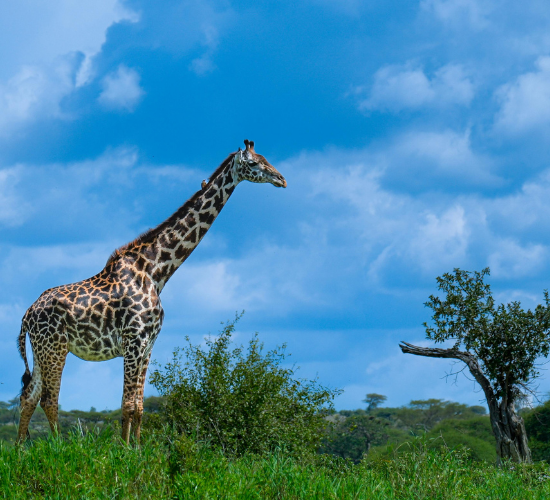
When you examine wildlife in different regions, you build problem-solving and cognitive skills. You think about why animals in polar regions have thick fur and why desert animals conserve water. You evaluate how animals develop special features to survive in their habitats. You begin to form balanced views about how nature supports life in harsh conditions. This helps you understand adaptation and survival.


 G7
G7 Social Science
 Environment
 Wildlife
 Thinking Skills
 Cognitive skill
 Observation Skill
 40
40 40
40 40
40 20
20 1
1 51
51 10
10 40
40 20
20 20
20