 34
34

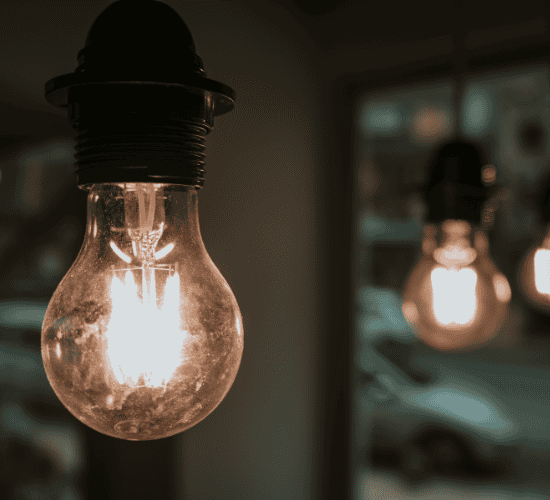
When you explore Class 10 Science, Chapter “Electricity”, GSEB, you begin to understand how electric current flows in a circuit and why devices glow, heat up, or move. You notice how a closed circuit allows charges to flow, while a broken circuit stops the current. You reflect on how batteries provide energy that pushes charges through wires. This learning helps you connect everyday use of electricity with basic ideas of current and circuits.
As you read closely, you strengthen your reading and vocabulary by learning words like electric current, potential difference, resistance, ammeter, and voltmeter. You observe how current depends on the potential difference across a conductor and how resistance controls the flow of charges. You connect these ideas to how scientists use simple measurements to explain what you cannot see. This practice builds clarity in science learning. Your confidence grows as you connect terms with real examples.
When you examine Ohm’s law, you build problem-solving and cognitive skills. You think about how current changes when voltage changes or when resistance increases. You evaluate how graphs between voltage and current help you see patterns in data. You begin to form balanced views about using formulas to explain real situations. This helps you understand how electrical relationships are tested and applied.
 10
10 42
42 20
20 10
10 40
40 20
20 50
50 40
40 49
49 40
40


 G10
G10 Science
 Thinking Skills
 Cognitive skill
 Memory Skill