 49
49

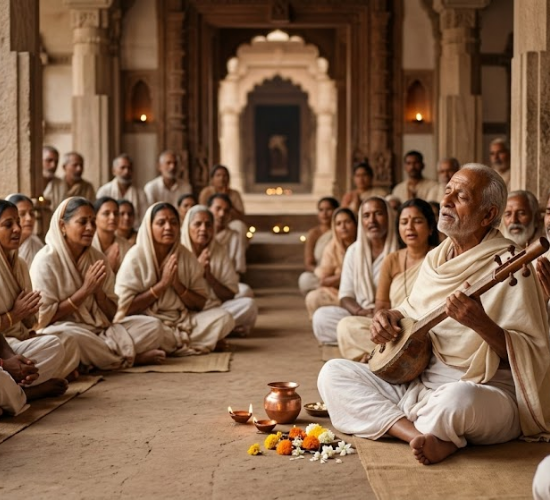
Want to explore how devotion became a powerful way to connect with the divine? As you study devotional paths, you see how people across regions expressed deep love for God through songs, poems, and simple practices. You notice how bhakti focused on personal devotion, while Sufism emphasised love and compassion for all. You reflect on how faith became closer to everyday life. This learning connects with Our Pasts – II, Chapter Devotional Paths to the Divine, NCERT
As you read closely, you strengthen your reading and vocabulary by learning how the idea of a Supreme God gained popularity and how local traditions blended into wider worship. You observe how Nayanars and Alvars travelled from place to place singing in praise of Shiva and Vishnu, welcoming people from many backgrounds. You connect this spread of ideas to the growth of regional languages and shared culture. This practice builds clarity in historical thinking.
When you examine reforming voices, you build problem-solving and cognitive skills. You think about how Basavanna and the Virashaivas argued for equality and rejected rigid rituals, and how saint-poets in Maharashtra taught that devotion meant sharing others’ pain. You evaluate why questioning caste and hierarchy gave dignity to many people. This helps you form balanced views about faith and social change.
 40
40 10
10 10
10 29
29 40
40 40
40 1
1 36
36 25
25 10
10


 G7
G7 Social Science
 Thinking Skills
 Cognitive skill
 Observation Skill