
 40
40Combustion And Flame


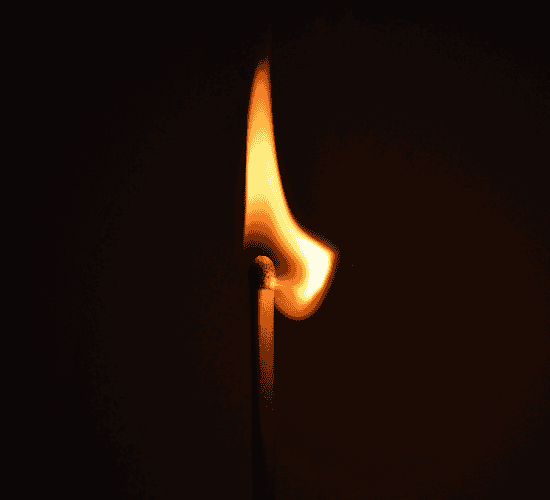
When you explore Class 8 Science, Chapter “Combustion and Flame”, GSEB, you begin to understand what happens when something burns. You notice that combustion is a chemical process in which a substance reacts with oxygen to produce heat and light. You reflect on how fuels like wood, coal and LPG help us cook food and run vehicles. This learning helps you connect daily fuel use with scientific principles.
As you read closely, you strengthen your vocabulary by learning terms like ignition temperature, inflammable substances, calorific value and explosion. You observe how a substance must reach its ignition temperature before it starts burning. You connect why petrol catches fire easily while wood needs higher temperature. This builds clarity in understanding combustion conditions.
When you examine the structure of a flame, you develop analytical thinking. You notice the three zones of a candle flame — the dark zone, luminous zone and non-luminous zone. You understand why the outermost blue zone is the hottest part of the flame. You connect why goldsmiths use this zone for melting metals. This strengthens your scientific reasoning.
 India
India Combustion And Flame
 GSEB Class 8 All Subjects Solutions
 English
 Science book class 8 GSEB Solutions
 G8
G8 Science
 Thinking Skills
 Cognitive skill
 Observation Skill
 40
40 40
40 40
40 20
20 1
1 51
51 10
10 40
40 20
20 20
20